
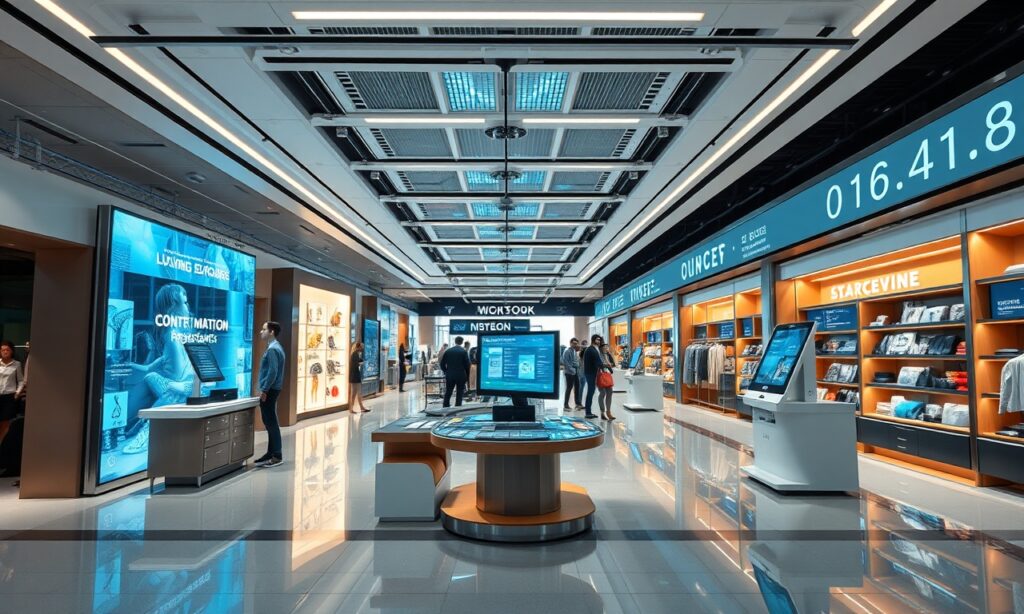
Luxury Retail Tech Trends in Asia Pacific: What Brands Need to Know in 2026
Positioning DITOC as APAC luxury retail technology specialists
Introduction: The Convergence of Luxury and Technology in APAC
Asia Pacific is no longer just a growth market for luxury — it’s the innovation laboratory. From Shanghai’s tech-savvy millennials to Tokyo’s precision-obsessed consumers, the region is redefining what luxury retail means in the digital age. Brands that treat technology as an afterthought will be left behind; those that integrate it thoughtfully will capture disproportionate market share.
In this article, we outline the key technology trends shaping luxury retail across China, Japan, Hong Kong, and beyond in 2026 — and what it means for your in-store experience strategy.
1. Immersive Digital Signage Is No Longer Optional
The Trend: Large-format LED displays and high-brightness screens have become table stakes. But in 2026, the differentiator is integration. Displays that simply loop video are forgettable. Displays that respond to passerby behavior, synchronize across installations, or blend physical and digital content create memorable moments that drive social sharing and dwell time.
APAC Angle: Chinese luxury consumers expect seamless, high-tech experiences. In Hong Kong, where retail space is premium, vertical stripe screens and curved installations maximize visual impact in constrained footprints. Japanese consumers value subtlety and quality — pixel pitch and color accuracy matter more than sheer size.
Action: Audit your current display setup. Are they isolated or part of a choreographed experience? Can they be updated remotely? Do they support interactive elements (motion sensors, camera integration)?
2. Mobile-First Is Actually Context-Aware
The Trend: The luxury customer’s phone is their remote control for the physical world. Beacon technology, QR codes, and NFC are evolving into context-aware systems that recognize who the customer is (with consent) and present tailored content on nearby screens.
APAC Angle: WeChat integration in China, LINE in Japan, and QR ubiquity across the region make this particularly powerful. A customer who scans a code can have their preferences reflected on a large display minutes later — creating a sense of recognition that builds loyalty.
Action: Ensure your digital infrastructure can link mobile interactions to in-store displays. This requires both technical integration and careful privacy design.
3. Data-Driven Content That Actually Drives ROI
The Trend: Luxury brands are moving beyond guesswork. Heatmaps, dwell time analytics, and conversion correlation (display view → purchase) are becoming standard KPIs. The goal isn’t just “more screens” but “smarter content.”
APAC Angle: Asian consumers are more willing to share data in exchange for personalized experiences, but regulatory environments (PIPL in China, APPI in Japan) require careful compliance. The brands that win will balance personalization with privacy.
Action: Implement measurement from day one. Track not just impressions but engagement quality. Correlate display content with sales uplift in the adjacent area.
4. Speed and Quality Are Non-Negotiable
The Trend: Sloppy installations, visible wiring, and laggy content playback erode luxury perception instantly. In an era where consumers are accustomed to Apple Store polish, anything less feels cheap.
APAC Angle: Rapid store rollouts across multiple countries demand partners who can deliver consistent quality at scale. Local regulations, shipping logistics, and on-site skill availability vary widely — a one-size-fits-all approach fails.
Action: Vet your technology provider on their actual project portfolio, not just their catalog. Ask for references in your target markets. Insist on seeing installed sites, not just renderings.
5. The End-to-End Service Model Wins
The Trend: Luxury brands increasingly want a single partner for hardware, installation, content management, and ongoing optimization. The days of hiring separate electricians, AV technicians, and content studios are fading — coordination overhead and finger-pointing are too costly.
APAC Angle: Cross-border projects (e.g., a China launch with displays shipped from Hong Kong) require logistics expertise and a partner who understands regional shipping, customs, and on-the-ground capabilities.
Action: Evaluate partners on their ability to take full responsibility: design, procurement, shipping, installation, and post-launch support.
Conclusion: Technology as a Brand Expression
In luxury retail, every detail communicates. The screens you choose, how they’re installed, and the content they show are not technical decisions — they’re brand expressions. In Asia Pacific’s competitive landscape, technology excellence is becoming synonymous with brand prestige.
If you’re planning a retail installation or a brand activation in 2026, ask yourself:
- Does our technology reflect our brand’s quality standards?
- Can we measure its impact on customer perception and sales?
- Have we partnered with a provider who understands APAC’s nuances?
This article is the first in a series on APAC luxury retail technology. Subscribe for future insights.