
From Ownership to Experience: The New Paradigm of Luxury Retail
Luxury is no longer defined by what you have, but by what you do. As the 2026 economic landscape shifts toward “conscious consumption,” high-net-worth individuals (HNWIs) are increasingly trading the status of the physical object for the exclusivity of the lived moment. In high-transit environments like airports, the transaction is merely the souvenir of a much deeper emotional journey.
Recent data from leading research firms, including Mintel and Deloitte, confirm a significant shift in luxury consumer behavior. Affluent consumers are increasingly prioritizing experiences—specifically travel, dining, and immersive events—over the ownership of premium products.
The value of an experience now extends beyond the purchase of a specific service; it encompasses the entire in-store journey and the digital engagement surrounding it. For the modern luxury consumer, a brand’s ability to cultivate community and reinforce exclusivity through invitation-only events and VIP access has become a primary purchase factor.
Historically, luxury was defined by “Exclusive Access to Goods”—the private collection, the rare item, the status symbol. Today, we are seeing a transition to “Exclusive Access to Moments.”
This evolution moves the focus from the product’s shelf-life to the consumer’s memory-life. We are seeing a rise in “membership” and “community” models where the purchase of a good acts as a gateway to an ongoing suite of experiences, rather than an end in itself.
In the travel retail environment, this “Experience Pivot” creates a unique challenge: the luxury consumer wants to linger deeply in a space designed for rapid transit.
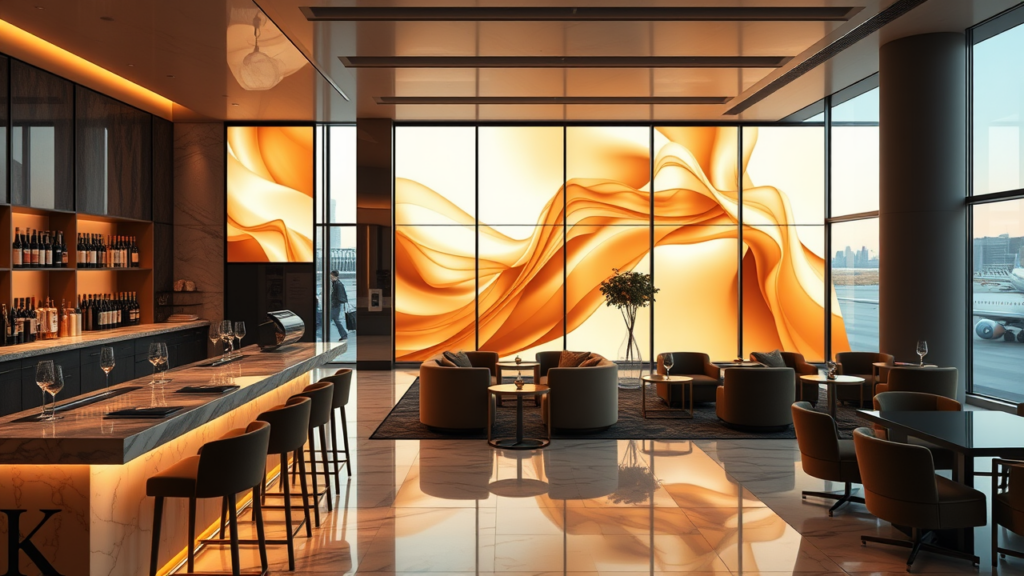
The solution lies in creating Micro-Moments of Immersion. Instead of traditional “aisle-and-shelf” layouts, retailers must pivot toward “destination retail.” This involves creating spaces where the “transaction” is secondary to the “discovery.” By focusing on tasting bars, personalized consultations, and immersive storytelling, retailers can turn a high-traffic transit zone into a curated destination that justifies the consumer’s time.
- The In-Store Journey as a Primary Differentiator: Retailers must treat the journey as a product in itself. This includes digital engagement that builds anticipation before the customer reaches the counter and a physical environment that offers a sensory departure from the airport atmosphere.
- The Rise of Appointment-Only Formats: High-net-worth clients are seeking intimacy. The adoption of salon-style, appointment-only formats in travel hubs allows for a level of access that defines modern luxury, providing a private sanctuary within a public space.
-
Circularity as a Value-Add: With over 68% of luxury companies now offering repair or refurbishment services, integrating “care and repair” into the retail footprint builds long-term loyalty. A “luxury clinic” or restoration station transforms the retailer from a point of sale to a partner in the product’s lifecycle.
-
Immediate (0-3 months): Audit current high-traffic zones to identify “Micro-Moment” opportunities. Can a portion of a high-volume area be converted into a tasting bar or a curated discovery zone?
- Medium-term (3-6 months): Develop “Invitation-Only” digital triggers. Utilize loyalty data to offer travelers exclusive “private salon” access while they are still in the terminal, bridging the gap between digital intent and physical experience.
- Foundation (6-12 months): Transition physical footprints to “Experience Hubs.” These hubs should integrate digital shopping services, personalized beauty consultations, and circularity services (like restoration) to create a holistic, high-touch retail environment.
The future of luxury in travel retail is not found in the product, but in the narrative of the purchase. By shifting from a transactional mindset to an experiential one, retailers can transform the airport from a place of necessity into a destination of desire. The goal is to ensure that the most memorable part of the journey is the one spent within the retail experience.
Sources:
1. Mintel: Key Consumer Trends Shaping the Future of Luxury Retail
2. Deloitte: Global Powers of Luxury 2026
3. Julius Baer: Why has luxury shifted from ownership to experience?