
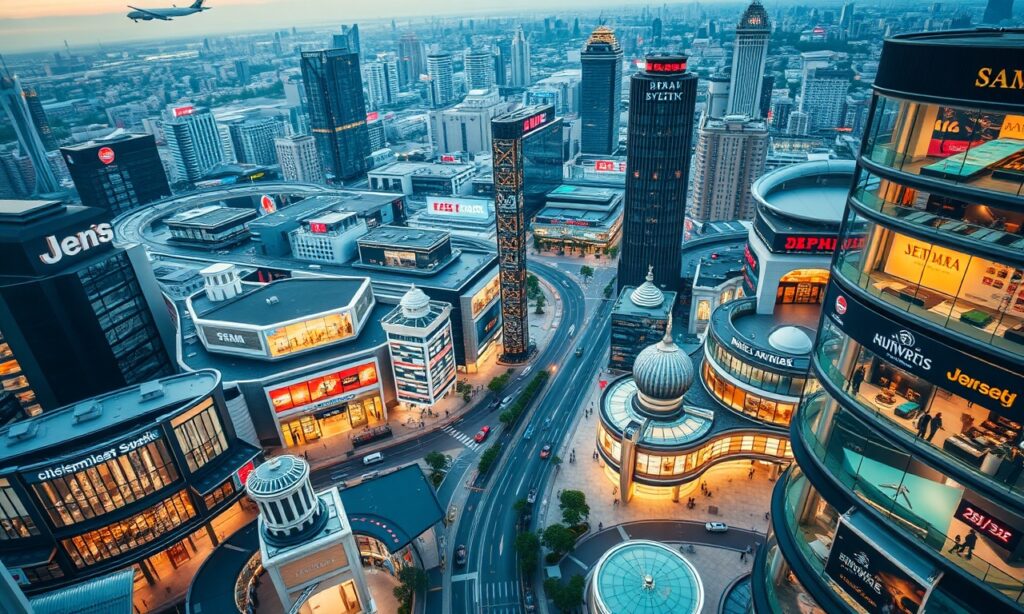
Asia-Pacific Travel Retail Renaissance
New Era of Growth Beyond Chinese Dominance
Executive Summary
The Asia-Pacific travel retail market is undergoing its most significant transformation in decades. For years, Chinese travelers accounted for over 60-70% of duty-free spending across the region. Now, a powerful shift is underway: Indian and South Korean travelers are rapidly gaining market share, while emerging Asian markets create entirely new growth vectors.
Total Market Impact: This demographic transition alone represents a $5+ billion opportunity in just 2-3 years. When combined with digital transformation investments (AI personalization, seamless checkout), the Asia-Pacific region is poised for sustained double-digit growth through the early 2030s.
Key Market Dynamics
The Chinese Shift: From Dominance to Diversification
Historically, mainland Chinese travelers were the undisputed leaders:
- ~65% of total airside retail sales (pre-pandemic)
- Average spend per person: $200-400 in luxury beauty, fragrance, and tobacco
- Primary shopping triggers: Singles Day promotions, wedding season, holiday gift-giving
However, multiple headwinds have emerged:
- Economic slowdown reducing discretionary travel spending
- Stricter outbound regulations tightening on certain product categories
- Domestic luxury e-commerce boom making overseas shopping less essential
The result? Retailers are actively diversifying their Asia-Pacific customer base—and succeeding.
The Rise of India: A $40 Billion Emerging Market
| Metric | Current (2024) | Projected (2027) |
|---|---|---|
| Share of total duty-free spend | ~8-10% | 15-18% |
| Average trip frequency | 1.2 trips/year | 1.8 trips/year |
| Luxury beauty spend per trip | $350-500 | $500-750 |
Why the surge?
- Affluent tier expansion: India’s luxury consumer base grew from 6 million (2019) to 25+ million today
- Cultural affinity: Strong demand for premium fragrances, perfumes, and traditional gift hampers
- Airport infrastructure investment: New terminals in Delhi, Mumbai, Bengaluru creating premium retail spaces
- Visa liberalization: Easier travel permits opening duty-free access to millions
Strategic implications: Indian travelers prioritize different product categories (more fragrances, gifting sets) and shopping behaviors (longer dwell times, group purchases). Retailers must localize their approach.
South Korea: Quality Over Quantity
South Korean travelers show distinct characteristics:
- Higher average spend per trip ($300-600) vs. Indian travelers initially
- Brand loyalty: Strong preference for established luxury houses over emerging brands
- Digital-native behavior: Expect seamless omni-channel integration (scan-to-buy, AI consultations)
- Emerging as premium segment: Growing interest in exclusive editions and limited releases
The Korean market is maturing fast—no longer a high-volume segment but a high-value one.
Digital Transformation Accelerates the Renaissance
Technology is the great enabler of this demographic shift:
AI-Powered Personalization
Major airports in Asia-Pacific are deploying AI-driven tools that can increase conversion by 15-20%. Key applications include:
- Digital catalogs with instant product comparisons across brands
- AI shopping assistants for beauty consultations (especially crucial for Indian and Korean markets where digital-first behavior is dominant)
- Personalized recommendations based on traveler profile, past purchases, and regional preferences
Seamless Checkout Integration
Indian travelers, in particular, favor contactless payment options. Airports reporting the fastest checkout experiences see:
- 25% higher basket sizes
- Reduced queue abandonment (from ~18% to under 7%)
- Cross-category upsell conversion improving by 30%
Product Category Opportunities
Beauty & Fragrance: The Growth Engine
At ~30% of U.S. travel retail sales, this remains the top category—but with shifting demographics:
| Product | Chinese Preference | Indian Preference | Korean Preference |
|---|---|---|---|
| Perfumes | Premium Western brands | Middle Eastern blends, floral | Clean beauty, minimalist luxury |
| Skincare | Anti-aging focus | Brightening, hydration | Barrier repair, glass skin |
| Makeup | Full coverage | Natural finish | High quality, long-wear |
Key insight: As markets diversify, product development must become more region-specific rather than one-size-fits-all.
Tobacco & Liquor: Traditional Strengths, New Rules
While still strong in Chinese travel retail, tobacco regulations are tightening globally. The opportunity now lies in premium spirits (craft gin, aged rum, whisky), which appeal to all three emerging segments equally.
Gifting & Hampers: Cultural Affinity Plays
Indian travelers particularly value gift sets for weddings and festivals. Korean buyers show strong interest in premium tea blends and wellness products. Cultural customization beats generic offerings every time.
Strategic Recommendations for Retailers
1. Localize Digital Experiences
Don’t assume “one app fits all Asia-Pacific.” Indian travelers respond to vernacular language support, WhatsApp integration, and UPI payment options. Korean buyers expect seamless English-Korean interfaces with high-fidelity product imagery.
2. Build Strategic Partnerships
Collaborate with regional travel platforms (AirAsia for Southeast Asia, IndiGo for domestic connectivity) to share traveler insights and co-develop promotions that align with local shopping triggers.
3. Invest in Staff Training
Demographic shifts require new sales approaches. Train staff on:
- Cultural nuances of each market (e.g., Indian gifting etiquette vs. Korean quality appreciation)
- Digital product consultation techniques (AI demonstrations, personalized recommendations)
- Multi-language customer service basics
4. Optimize Inventory for Emerging Markets
Dedicated SKU allocations for Indian and Korean travelers—distinct from the traditional Chinese portfolio. Beauty counters should stock region-specific favorites alongside global bestsellers.
5. Create “Renaissance” Retail Programs
Develop marketing campaigns highlighting this market transformation:
- Showcase success stories of non-Chinese travelers
- Celebrate emerging luxury consumers across Asia-Pacific
- Position airports as inclusive, forward-looking shopping destinations
The Future Landscape
Looking ahead to 2030, the Asia-Pacific travel retail market will likely be characterized by:
- Balanced demographics: No single country dominates; diversified customer base
- Technology integration: AI personalization reaching 40%+ of touchpoints across major airports
- Sustainability leadership: Regional buyers increasingly prioritize eco-conscious brands
- Cross-border loyalty programs: Unified rewards that work seamlessly across multiple countries
Conclusion
The Asia-Pacific Travel Retail Renaissance isn’t just a shift in who’s shopping—it’s a fundamental reimagining of what the future holds. Chinese travelers remain important, but their dominance has ended. In their place rise India and South Korea as co-leaders, supported by a host of emerging markets (Vietnam, Indonesia, Thailand) gaining purchasing power faster than ever before.
For retailers who embrace this shift—investing in digital transformation, localizing experiences, and creating genuine cultural connections—the opportunity is clear: $5+ billion in new growth over the next three years, with sustained momentum through the decade.
The Asia-Pacific market isn’t dying—it’s being reinvented. And those who lead the transformation will define the next chapter of travel retail history.
Sources & Further Reading
- Oliver Wyman: “$5 Billion Growth Opportunity in Asia-Pacific Travel Retail” (2026)
- KD Market Insights: “Travel Retail Market 2033 Forecast”
- Forbes Technology Council: “How AI Fits Into Luxury Retail” (2026)
- Global Growth Insights: “Travel Retail Market Overview & Trends 2033”
Published: July 14, 2026 | Author: DITOC Team | Categories: Travel Retail, Digital Transformation, Asia-Pacific Markets