
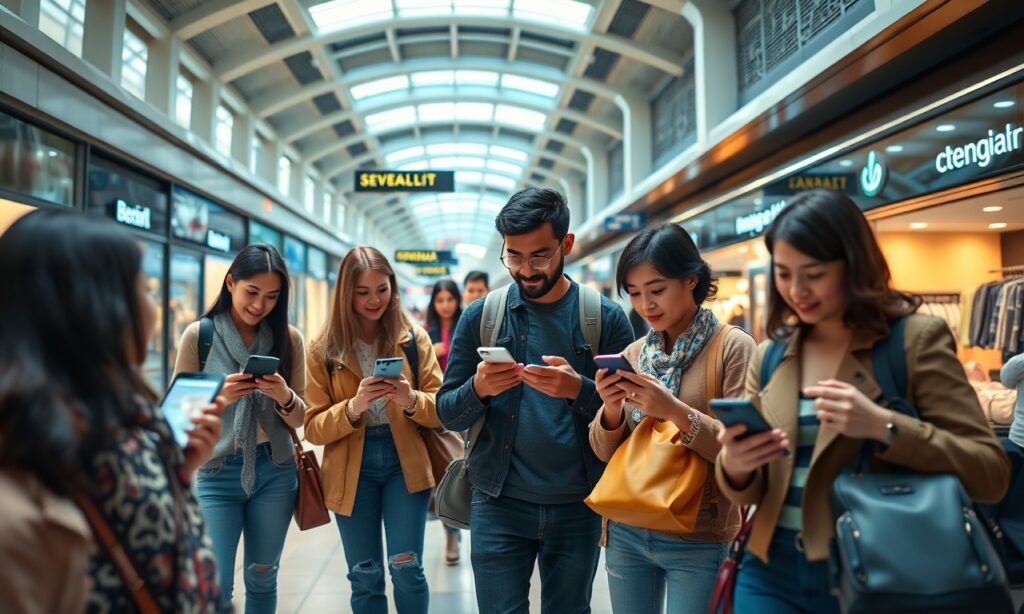
The Rise of the Solo Voyager: How Travel Retail Must Adapt to the Independent Traveler
The landscape of global travel is undergoing a profound shift. While group travel remains a staple, a significant and rapidly expanding market segment is moving toward independent exploration. Solo travel is no longer a niche trend; it has become mainstream, fueled by a growing desire for autonomy, deeply personalized experiences, and a pursuit of unique cultural immersions.
For brand managers in the travel retail space, this shift presents a strategic opportunity: how do you serve a demographic that prizes independence while still delivering the seamless, high-touch service that defines premium retail?
The Data Behind the Trend
The numbers confirm that the solo voyager is a force to be reckoned with. Industry research highlights several key indicators:
- Record-Breaking Interest: Solo travel interest levels are projected to hit record highs heading into 2026.
- Explosive Regional Growth: Certain markets are seeing dramatic spikes, with solo bookings in some regions increasing by over 20x in recent data sets.
- Massive Market Value: The global solo travel market is on a trajectory to reach a staggering USD 1.7 trillion by 2034, growing at a CAGR of over 13%.
Implications for Travel Retail: The “Phygital” Solution
The independent traveler often seeks a delicate balance—they want the freedom of “doing it alone” without the friction of “feeling alone.” In high-traffic environments like airports, transit hubs, and train stations, this translates into specific retail requirements:
1. High-Tech Self-Service (The Autonomy Factor)
Solo travelers often prefer to navigate the retail environment at their own pace, avoiding queues and seeking efficiency. This creates a demand for:
- Interactive Digital Kiosks: Displays that allow travelers to browse, compare, and order products independently, engaging with staff only when they specifically choose to.
- Mobile-First Integration: Seamless “click and collect” or “order in transit” capabilities that let travelers secure purchases on their mobile devices and pick them up at designated, convenient points.
2. Curated Personalization (The Experience Factor)
Even when traveling solo, shoppers want to feel understood by the brands they interact with. Retailers can leverage first-party data to provide:
- Dynamic Offerings: Using real-time data to surface products that align with a traveler’s specific itinerary—such as highlighting regional crafts in a local hub or premium electronics for a long-haul flight.
- Community-Centric “Phygital” Spaces: Creating environments where solo travelers can engage with immersive brand content or interact with other travelers in a structured, safe, and high-end setting.
Overcoming the Maintenance Trap
For business unit managers, the goal is to move away from “one-size-fits-all” retail models. By investing in modular, digital-first retail installations, you can pivot your strategy to cater to the solo traveler without the heavy overhead of completely redesigning your physical footprint.
The “Maintenance Trap” is solved when technology handles the heavy lifting of personalization, freeing your human staff to focus on high-value, meaningful interactions for those who need them most.
The Bottom Line
The solo voyager is looking for a seamless, personalized journey. By embracing digital retail solutions that prioritize autonomy and data-driven personalization, travel retailers can capture this massive growth market and position themselves as the premier destination for the independent traveler of 2026 and beyond.
Sources:
- [TravelPulse: Solo Travel Soars – Record Interest for 2026](https://www.travelpulse.com/news/features/solo-travel-soars-record-breaking-interest-levels-reported-for-2026)
- [Spherical Insights: Solo Travel Market Size & Trends](https://www.sphericalinsights.com/our-insights/solo-travel-market)
- [SoloTravelerWorld: Statistics & Trends 2024-2025](https://solotravelerworld.com/about/solo-travel-statistics-data/)